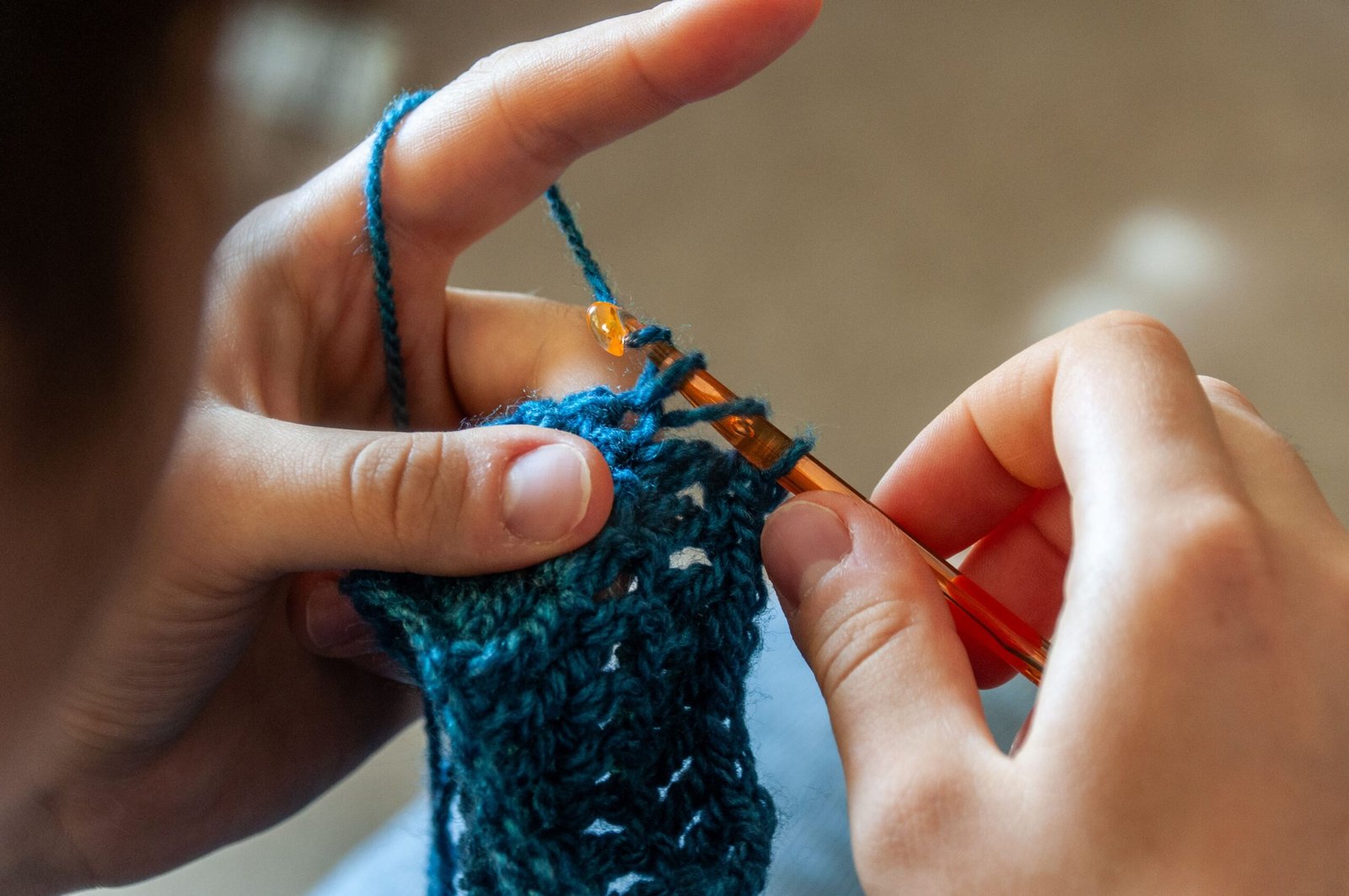
Want to start crocheting but feel overwhelmed? Discover the 5 best ways to learn crochet, from free YouTube tutorials to beginner-friendly all-in-one kits
In a world where we spend most of our day staring at screens—whether it is for work, competitive gaming, or scrolling through social media—finding an offline, tactile hobby has never been more important. Crochet has experienced a massive resurgence in 2026, transforming from a traditional craft into a trendy, relaxing digital detox.
However, looking at a ball of yarn and a metal hook can be incredibly intimidating if you do not know where to start. You might be wondering: Do I need a class? What hook size do I buy? What is a magic ring?
Do not panic. Here are the 5 best ways to learn crochet today, tailored to fit every learning style and budget.
1. All-In-One Beginner Kits (The Easiest Start)
If you are the type of person who gets overwhelmed walking into a massive craft store and staring at hundreds of yarn types, a beginner kit is your best friend.
- Why It Works: Brands like The Woobles have revolutionized how people learn crochet. These kits come with the exact amount of yarn you need, the correct hook size, and most importantly, a piece that is already pre-started.
- The Learning Process: They provide custom QR codes linking to step-by-step video tutorials made specifically for that exact kit. It completely eliminates the initial frustration of figuring out how to hold the hook and yarn.
2. YouTube Video Tutorials (The Visual Learner’s Best Friend)
You can learn almost anything on YouTube, and crochet is no exception. It is completely free and offers thousands of hours of high-quality instruction.
- Why It Works: Crochet is a highly visual and physical activity. Reading about how to make a “Double Crochet” is confusing, but watching someone do it from a first-person point of view makes it instantly click.
- Pro Tip: Always search for “Crochet for Absolute Beginners.” When watching the videos, do not be afraid to use YouTube’s playback speed feature to slow the video down to 0.5x speed so you can clearly see exactly where the hook is going.
3. Structured Online Courses (Skillshare & Domestika)
If you prefer a highly structured curriculum over random YouTube videos, platforms like Skillshare, Udemy, or Domestika are fantastic investments.
- Why It Works: These courses are taught by professional textile artists. They take you on a logical journey—starting from basic posture and yarn tension, moving to foundational stitches, and ending with your first completed project (like a scarf or an amigurumi toy).
- The Benefit: The production quality is usually much higher than free videos, featuring multiple camera angles (overhead and side views) so you never miss a stitch.
4. Step-by-Step Blogs and Photo Tutorials
Not everyone learns well by constantly pausing and rewinding a video. Some people prefer to take things at their own pace.
- Why It Works: Crochet blogs break down patterns into simple, readable steps accompanied by high-resolution photos. This is the best way to learn how to read standard crochet abbreviations (like sc for single crochet, or inc for increase).
- The Benefit: Once you learn how to read written patterns from blogs, a whole new world of crochet opens up, allowing you to create complex sweaters, blankets, and plushies.
5. Local Workshops and Craft Stores
If you are a hands-on learner who thrives on immediate feedback, look for a beginner workshop at your local craft store or community center.
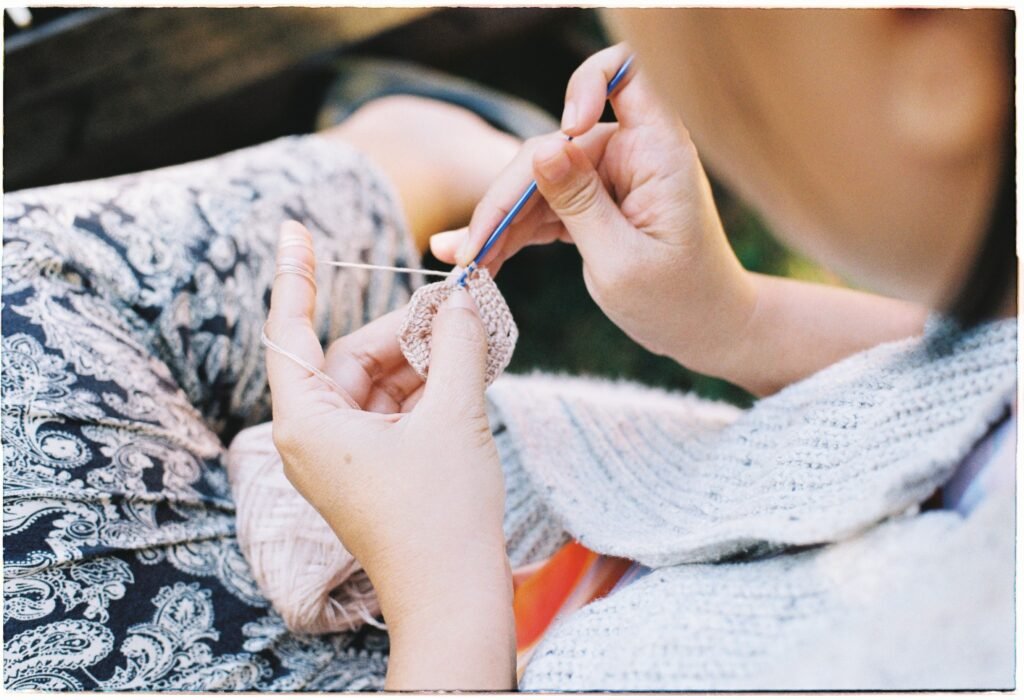
- Why It Works: The biggest hurdle for beginners is holding the yarn correctly to maintain consistent tension. An in-person instructor can instantly look at your hands, correct your posture, and show you exactly what you are doing wrong.
3 Golden Rules Before You Start
Regardless of which method you choose to learn, keep these three essential tips in mind:
- Use Light-Colored Yarn: Dark colors like navy or black make it nearly impossible to see your individual stitches. Start with a light yellow, pink, or beige.
- Pick the Right Hook Size: Do not start with tiny hooks. Use a 5.0mm or 5.5mm hook, which is large enough for your hands to comfortably maneuver.
- Do Not Stress About Tension: Your first few squares will likely be uneven, tight, or strangely shaped. That is completely normal! Muscle memory takes time to build.
Put down your phone, grab a hook, and start creating something with your own hands!